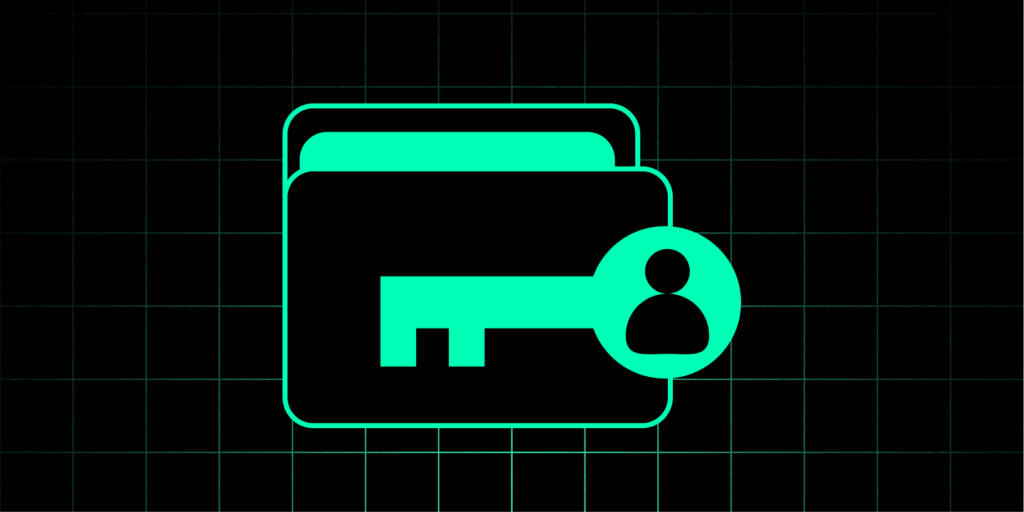
A self-custody wallet is a crypto wallet that gives users direct control over their digital assets. Instead of keeping crypto on a centralized exchange or with a third-party custodian, a self-custody wallet lets users hold their own private keys, manage their own funds and interact directly with blockchain applications. This is one of the most important ideas in crypto.
When people say “not your keys, not your coins,” they are talking about self-custody. If you do not control the private key to your wallet, you do not fully control the crypto inside it.
With a self-custody wallet, the freedom is greater. You can send, receive, swap, bridge, provide liquidity and use DeFi applications without asking permission from a centralized platform.
That freedom also comes with responsibility.
What Is a Self-Custody Wallet?
A self-custody wallet is a crypto wallet where the user controls the private keys or seed phrase that gives access to the wallet’s assets. The wallet does not store crypto like a physical wallet stores cash. Your assets live on the blockchain. The wallet gives you access to manage them.
A simple way to understand it:
- Your public wallet address is like your account number.
- Your private key is like your master password.
- Your seed phrase is the backup that can restore your wallet.
- Your wallet app is the interface you use to manage assets.
If you use a self-custody wallet, you are responsible for protecting the seed phrase. No bank, exchange or support team can reset it for you if it is lost.
How Does a Self-Custody Wallet Work?
A self-custody wallet works by creating a cryptographic key pair. The public key creates your wallet address. The private key lets you sign transactions.
For example, when you swap ETH to USDC through a DEX aggregator like KyberSwap, your wallet signs the transaction. The transaction is then submitted to the blockchain.
KyberSwap does not take custody of your funds for the swap. Your wallet interacts with the blockchain and smart contracts directly. This is different from a centralized exchange, where users deposit assets into an account controlled by the platform.
Self-Custody Wallet vs Custodial Wallet
| Feature | Self-Custody Wallet | Custodial Wallet |
|---|---|---|
| Key control | You control the keys | The platform controls the keys |
| Fund control | You control funds directly | The platform holds funds |
| Recovery | Seed phrase or backup method | Email, password or support |
| DeFi access | Direct access | Limited or unavailable |
| Main risk | User error, scams or lost seed phrase | Platform failure or withdrawal freeze |
| Best for | Users who want control and DeFi access | Users who want convenience |
A custodial wallet can feel easier for beginners because it often supports email login, password recovery and customer support. A self-custody wallet gives more control, but users must take security seriously.
Why Self-Custody Matters in Crypto
Self-custody matters because crypto was built around ownership without middlemen. With traditional finance, users rely on banks, brokers and payment companies. With self-custody, users can hold and move assets directly onchain.
The main benefits are:
- Ownership: Your assets are controlled by your wallet.
- Access: You can connect to DeFi applications directly.
- Lower dependency: You are not relying on a centralized platform to release your funds.
Self-custody does not remove every risk. Users still need to watch out for phishing, malicious approvals, fake tokens and smart contract risks.
What Can You Do With a Self-Custody Wallet?
A self-custody wallet is your gateway to Web3 and DeFi.
With it, you can:
- Send and receive tokens
- Swap tokens on decentralized exchanges
- Bridge assets across chains
- Set limit orders
- Provide liquidity
- Earn yield through DeFi
- Track your portfolio
- Vote in governance
For example, users can connect a self-custody wallet to KyberSwap and swap tokens through KyberSwap Aggregator. KyberSwap connects to 420+ liquidity sources across 17 chains, helping users access better swap routes without checking each DEX manually.
How KyberSwap Works With Self-Custody Wallets
KyberSwap is built for self-custody DeFi users. Users connect their own wallet, choose the token they want to trade and sign transactions directly from their wallet. KyberSwap does not hold user funds.
KyberSwap products that support self-custody include:
Swap
KyberSwap Aggregator helps users swap tokens at competitive rates by scanning multiple liquidity sources.
Cross-chain Swap
Cross-chain Swap helps users move from one token on one chain to another token on another chain.
Limit Order
Limit Order lets users set a target price for a trade while keeping control of their assets until execution.
Kyber Earn
Kyber Earn helps users discover liquidity pools, analyze returns and provide liquidity through a self-custody DeFi experience.
Together, these products show why self-custody matters. The wallet holds the assets. KyberSwap provides the tools.
Types of Self-Custody Wallets
There are several types of self-custody wallets.
Browser wallets are extensions that let users connect to DeFi applications from a desktop browser.
Mobile wallets are apps that let users manage crypto from a phone.
Hardware wallets store private keys offline and are often used for larger balances or long-term storage.
Smart contract wallets use smart contracts to support features like social recovery, spending limits and account abstraction.
Each wallet type has different tradeoffs between convenience, flexibility and security.
Benefits of a Self-Custody Wallet
The biggest benefit of self-custody is control.
You can access your assets without relying on a centralized platform. You can move funds, connect to DeFi and choose which protocols to use.
Self-custody also improves transparency because transactions happen onchain. Users can verify activity through block explorers.
Another benefit is composability. The same wallet can connect to many DeFi applications for trading, earning, lending, bridging and governance.
Risks of a Self-Custody Wallet
Self-custody also comes with risks. The biggest risk is losing your seed phrase. If you lose it and cannot access your wallet, the funds may be impossible to recover. Phishing is another major risk. Scammers often create fake websites, fake support accounts and fake wallet pop-ups.
Users should also be careful with token approvals. If a malicious contract gets approval, it may be able to move tokens from the wallet.
Smart contract risk also matters. Even legitimate DeFi protocols can have bugs or security issues.
Best Practices for Self-Custody Wallet Security
To use self-custody safely:
- Store your seed phrase offline.
- Never share your seed phrase.
- Check URLs before connecting your wallet.
- Use a hardware wallet for larger balances.
- Review and remove old token approvals.
- Start with small transactions when using new protocols.
- Separate wallets for holding, DeFi activity and testing.
These habits help reduce risk while keeping the benefits of self-custody.
FAQ: Self-Custody Wallets
What is a self-custody wallet?
A self-custody wallet is a crypto wallet where users control their own private keys or seed phrase.
Is MetaMask a self-custody wallet?
Yes. MetaMask is a self-custody wallet because users control their own seed phrase and private keys.
Is an exchange wallet self-custody?
Usually no. On a centralized exchange, the platform controls the private keys.
What happens if I lose my seed phrase?
If you lose your seed phrase and cannot restore your wallet, you may permanently lose access to your funds.
Do I need a self-custody wallet to use DeFi?
In most cases, yes. DeFi applications are built for users to connect their own wallets and sign transactions directly.
How does KyberSwap support self-custody?
KyberSwap lets users connect their own wallet and use products such as Swap, Cross-chain Swap, Limit Order, Kyber Earn and Smart Exit without KyberSwap holding user funds.
Conclusion
A self-custody wallet is the foundation of onchain ownership. It lets users hold their own assets, access DeFi directly and interact with crypto applications without relying on a centralized platform. The tradeoff is responsibility. Users must protect their seed phrase, avoid scams and understand what they are signing.
For anyone exploring DeFi, self-custody is one of the first concepts to understand. It gives users direct access to crypto’s core promise: ownership without a middleman.